
The Story Behind Wild Light
Filmmaking is a cruel undertaking for two introverts with nothing but a video camera and a big idea. All we wanted was to make a film worthy of the medium.
But we had no funding, no production, barely any gear, and all our friends–our “cast”– decided to grow up and do adult things instead of waste time for free (or maybe they knew what an embarrassment it would have been if our vision actually “succeeded”). We invested much time on the story, so this was not something we were willing to easily cast aside. But after every option of making this dream a reality fizzled, our hope of making an indie film likewise dwindled. Indeed, being filmmakers at all seemed to be doomed.
It’s not like we were new to the game. We had spent a few years making glorified home videos, then got serious and made a short documentary about our local church. This was difficult and incredibly rewarding, but that experience made it clear that Jade and I were made for imagination, not exposition.
That’s when Wild Light became realized. Humming with auteurism, we set our brains to storm and concocted the story. We intended this project to be our first “professional” film.
The story was largely similar to what it is today, but it was far less fantastical. We created a plot that fit our budget, not vice versa. It was a story that relied on practical effects, subdued world-building, and minimal acting. We heard it said that “art is made from limitation,” and we hoped our confines and restrictions would thrust our creativity forward.
Yet schedules refused to align. Restrictions and confines didn’t inspire art; they choked our project entirely.
As I was mired in despair, Jade approached me with an idea he had been chewing on for awhile: a silhouetted film.
Usually, silhouette shots are used in cinema as a contrast to conventional shots. But we were going to use silhouettes as the chief aesthetic…for the entire film. Apparently, we wanted to spit in the face of confines and restrictions by limiting ourselves even further.

We knew it could work if we used a “platform game” approach. Platform games are the retro-looking video games where characters are locked in a 2D world, moving in a fixed, profiled manner (think Mario). To do this, we only needed a few lights and a green screen.
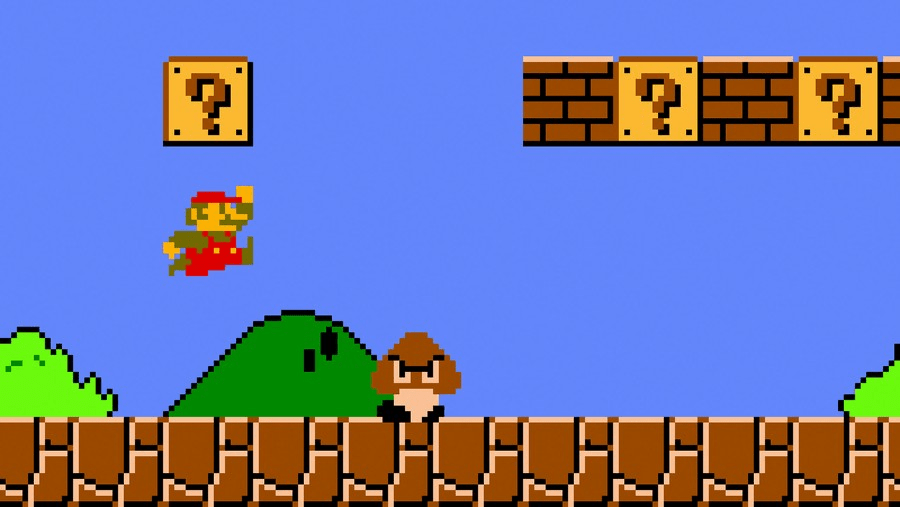
Despite characters being in silhouette, we would still film the backgrounds in color. This, we hoped, would add interest to scene composition. We planned on panning the background in sync with the movement of the subjects, as is done in platform gaming.
One may think this would be a good idea for a silent film, scored with a great soundtrack, but we were not going that route. We would depend on blocking (movement of actors within the scene), dialogue, sound effects and backdrop to carry the weight of audience engagement.
Yes, we did fear the blacked-out, featureless actors would prove tacky–an eye-roll inducing, look-how-indie-we-are tactic. But we ignored the doubts and leaned in to the contrived look of the medium. We considered this to be similar to how animation is obviously non-real, yet still engaging (i.e., animators are not trying to create photograph-like images of the world). The successful film style of Wes Anderson told us this sort of approach was feasible. And since the current film culture is saturated with realistic, CGI (usually never at the same time) cinema, we decided to go for it.
Alas, the stars (our non-actor friends) didn’t align. But I’m glad it didn’t work out. The world wasn’t ready for a 100% silhouette film. Audiences didn’t deserve such punishment.
We were out of options…again.
Shortly after this, Jade confided in me that he’s always wanted to create graphic novels. I was completely onboard, and it wasn’t because this was our last option. It was one of those ideas that seemed so foreign that it had to be from God.
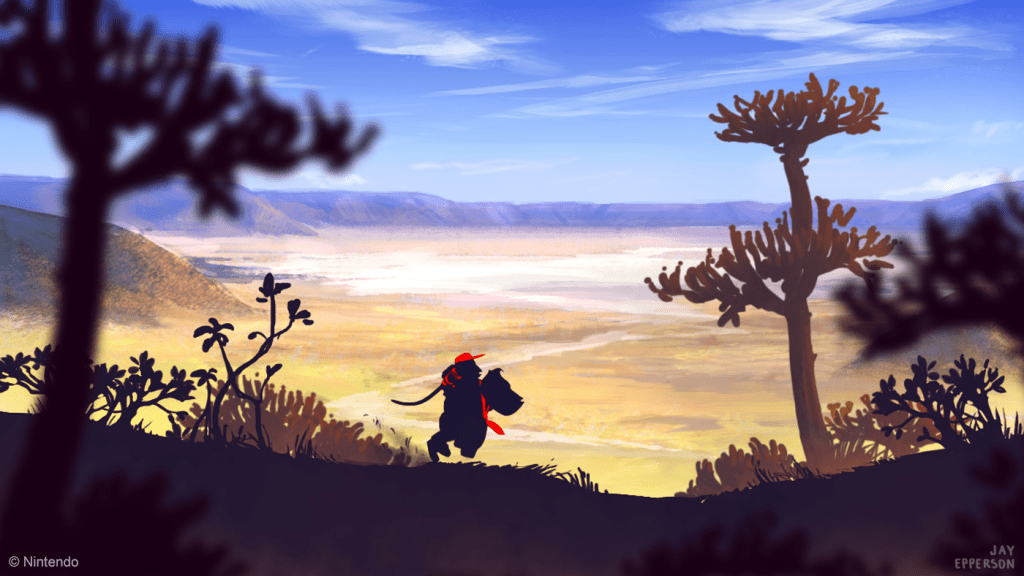
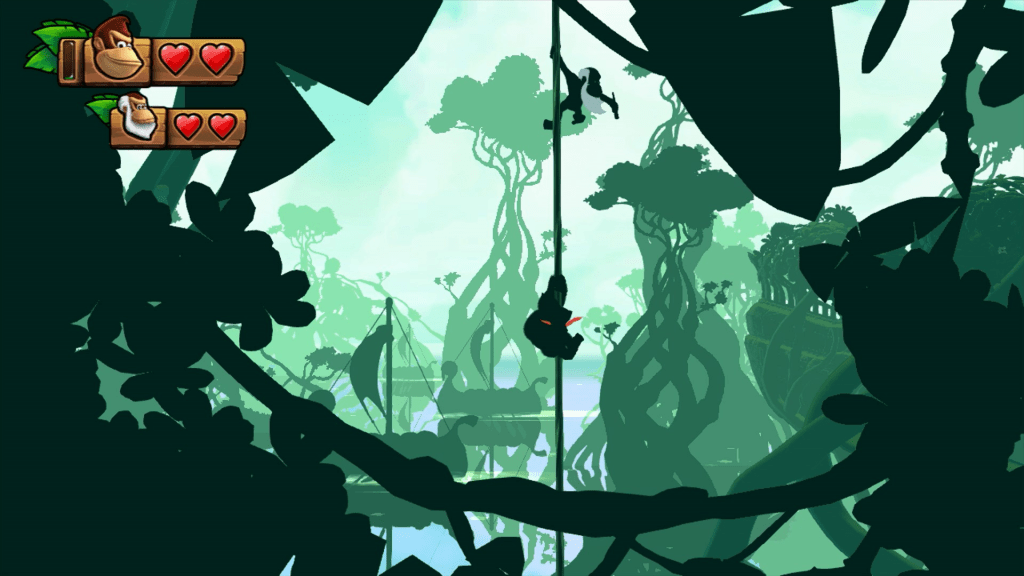
That’s how Wild Light became a graphic novel, and how the silhouette concept, together with platform gaming, continued to inspire our look. The game, Donkey Kong Country: Tropical Freeze, demonstrates the appearance we were after. There was an appeal in using shades of color to create depth, with darker tones towards the front and lighter towards the background.
With the new medium decided, I revised the subdued indie script to be more fantastical–truer to the sort of story world we always wanted Wild Light to be. Jade, in turn, interpreted the script and brought our world-building to life via illustration.
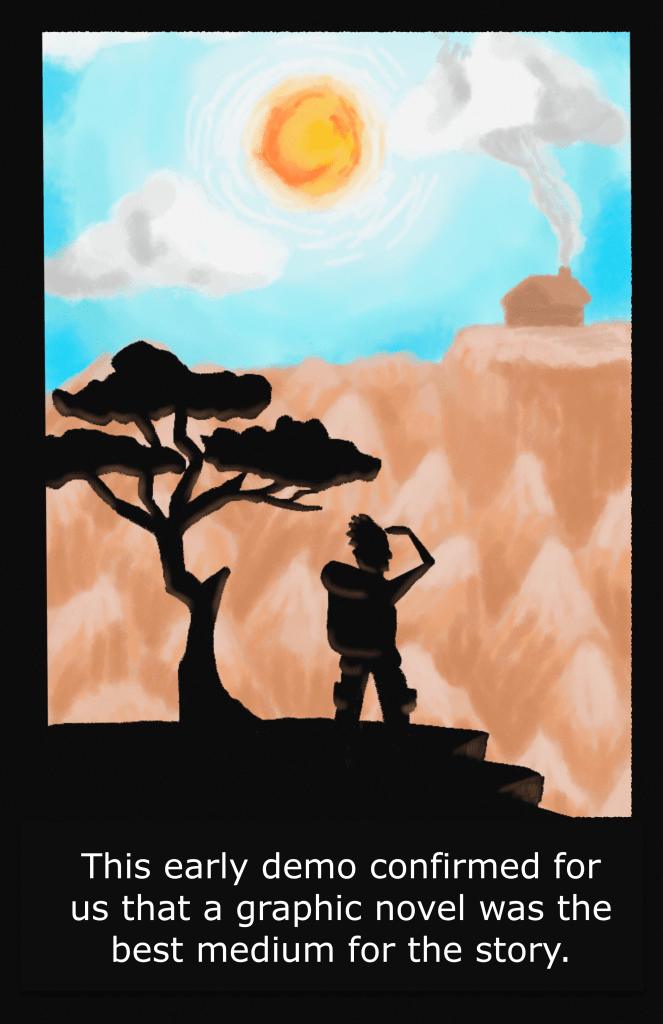
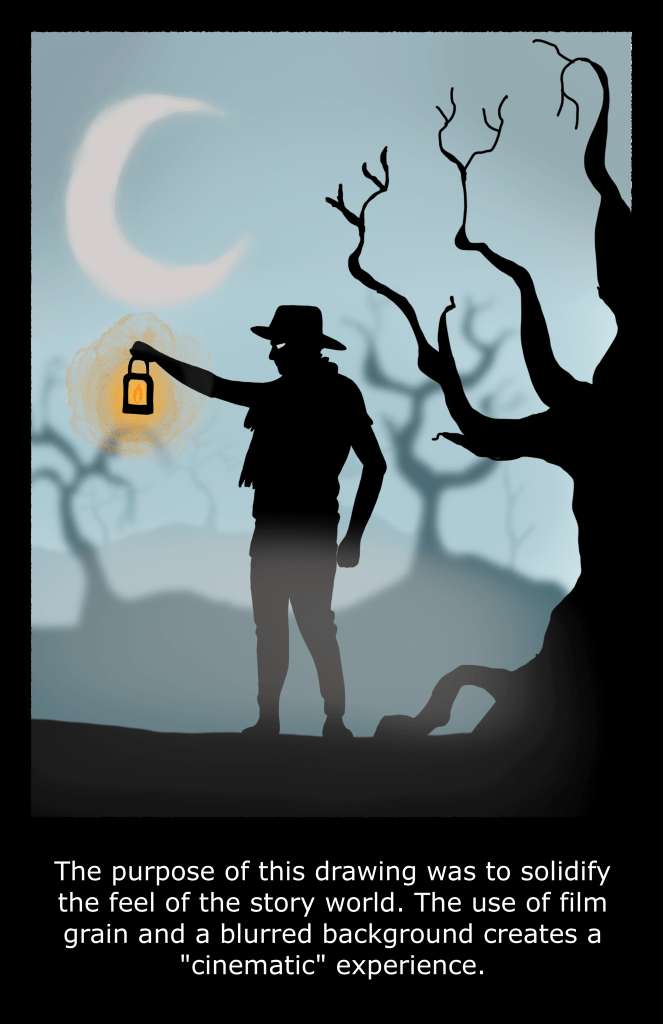
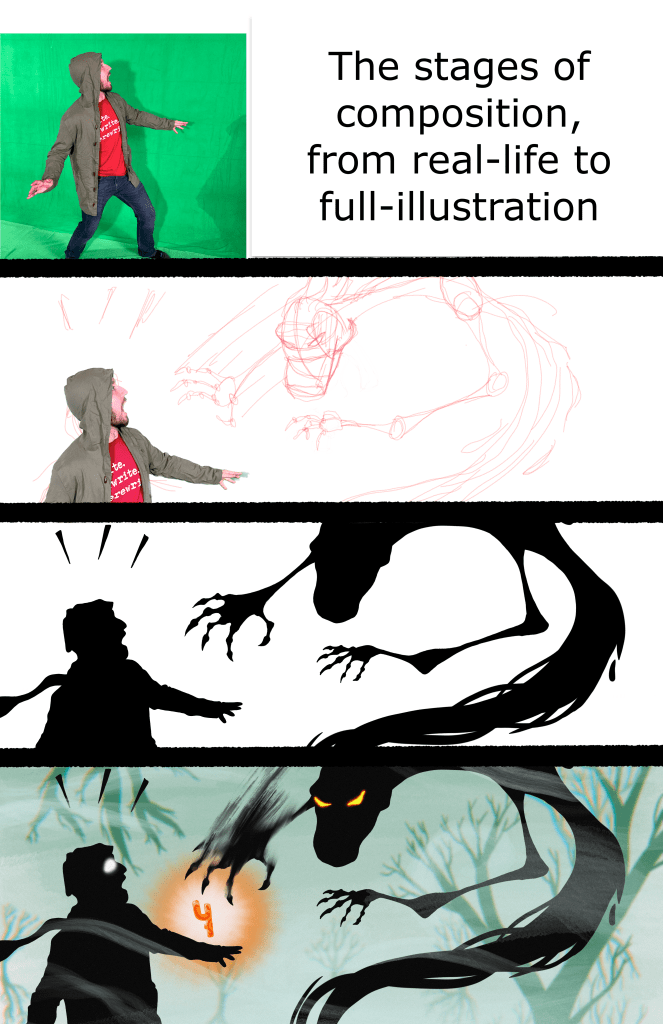
For the characters of our tale, we still wanted to use physical subjects (our non-actor friends and family). Keeping the silhouetted profiles of the cast consistent throughout the graphic novel was key, and this is much easier with real-life figures to trace. Thanks to Apple software (we’re not giving paid endorsements, so this one’s free), we can cut PNGs from images, which made this process easier.
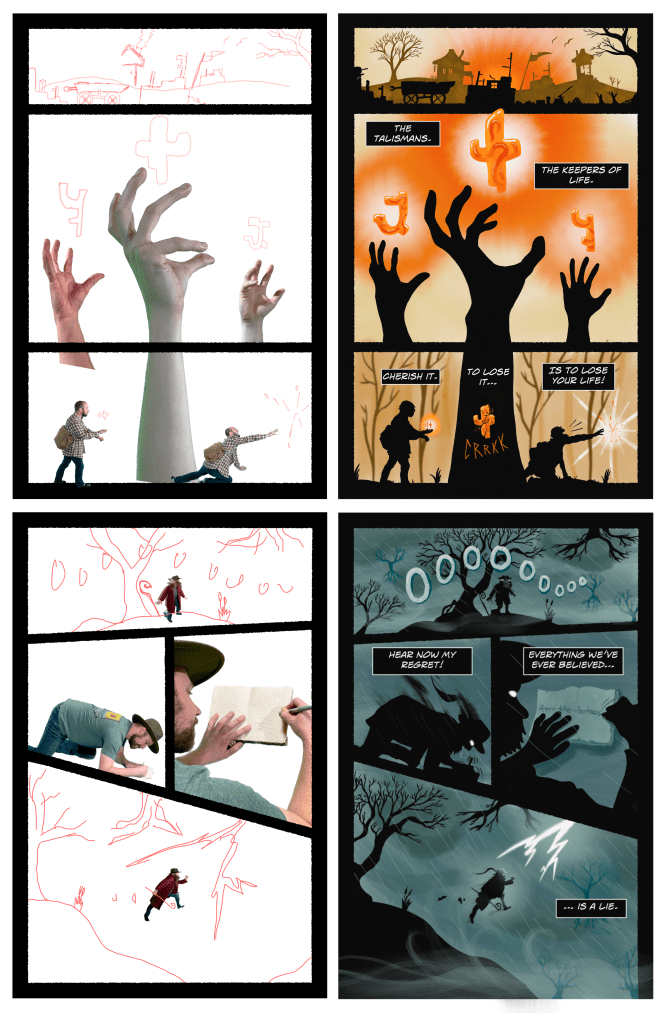
It was certainly a learning curve, but the result is another rewarding accomplishment. I think we can all agree Wild Light was meant to be a graphic novel. But in hindsight, it’s remarkable how that became a reality. Hatched from a potentially embarrassing indie film and a silhouette experiment, this distinctive brainchild is something we’re proud to call our own.
Written by Alex Aili
